You may not have a full-blown eating disorder that fits into a diagnostic box.
But, if days are filled with body distress, food preoccupation, and anxiety about eating “correctly,” it matters.
A lot.

These kinds of experiences quietly erode mood, self-worth, body image, and quality of life. They deserve clinical attention, not minimisation.
So many forms of disordered eating have become so culturally normalised that they pass as “health-conscious living.” But normalised does not mean benign.
Below are patterns I see daily, often in people who would never describe themselves as having an eating disorder. Yet, these people are deeply entangled in food and body distress.
It can be hard to know when the air we breathe is all about “wellness (aka “diet”) culture”.
When Food and Body Thoughts Take Over Mental Space
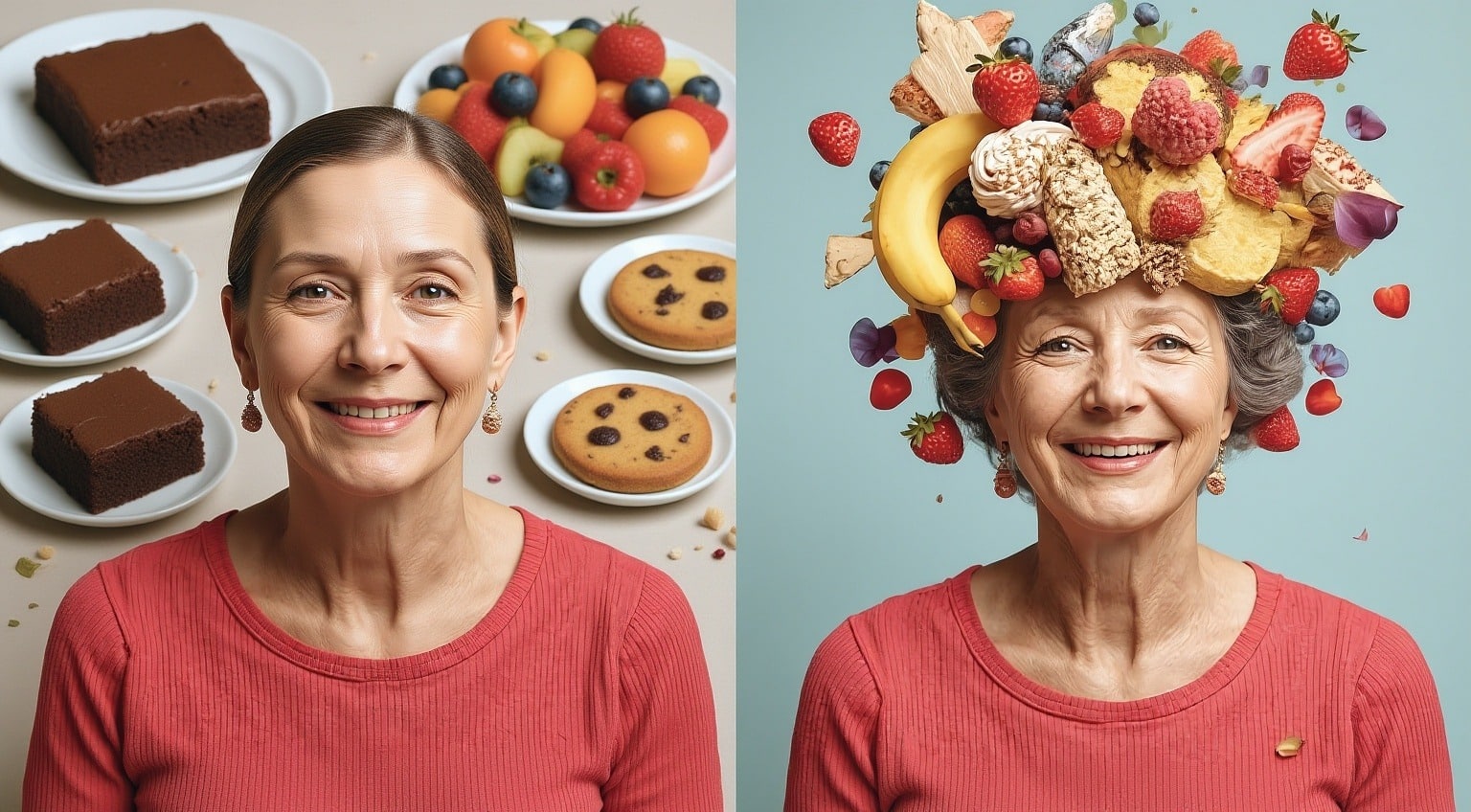
Caring about health and wellbeing is not the problem. But when weight, food choices, and body monitoring are the first thoughts on waking and the background noise of your entire day, the relationship has shifted from care into fear.
Persistent rumination about food—replaying what you ate, what you should have eaten, or what you’re “allowed” later—often coexists with intense anxiety about getting it wrong. Every bite becomes loaded with judgement, guilt, or second-guessing. What should be nourishing becomes mentally exhausting.
This is frequently accompanied by a familiar cycle: being “on” a regime and feeling virtuous and controlled, followed by rebellion, chaos, and distress. Restriction is unsustainable. The body resists it. The pendulum always swings—and people blame themselves, rather than the system that created the cycle.
When Eating Is No Longer Peaceful
In a “healthy” relationship with food, you eat, feel satisfied, and move on with your day.

In disordered eating, food carries emotional charge. There may be spikes of excitement, relief, or control—followed by guilt, shame, or self-criticism. This emotional rollercoaster doesn’t stay at the table; it seeps into work, relationships, and self-esteem. It’s profoundly tiring.
Over time, attention often narrows to weight, leanness, muscularity, or numbers. Movement shifts from something supportive to something compulsory. Exercise becomes an obligation rather than a choice—pursued despite exhaustion, injury, or frequent illness. What began as “taking care of myself” quietly becomes punishing.
When the Goalposts Keep Moving
For some, dissatisfaction drives experimentation with increasingly extreme behaviours: detox teas, laxatives, fantasies of purging, or fixation on weight-loss medications despite being at a healthy weight for their body.
GLP-1 medications can be helpful for some people when used thoughtfully and with support. They are not neutral tools, and they’re not a solution for body distress. I regularly work with clients who used them without adequate support and were later catapulted into severe food noise, rebound eating, and profound body anxiety.

When someone is secretly googling private providers at midnight or considering how to manipulate access, it’s often a sign that the relationship with food and body is already compromised.
When Hunger Signals Are Silenced
Disordered eating frequently involves filling up on low-calorie foods, excessive fluids, caffeine, or diet drinks. Not for pleasure, but to suppress hunger. The result is being bloated yet unsatisfied, wired yet depleted.
Over time, the body’s natural hunger and fullness cues become blunted. External rules replace internal signals. People describe not knowing when they’re hungry anymore—or oscillating between being ravenous and uncomfortably full. One extreme triggers the other, creating a cycle that feels hard to escape.

Undereating also has predictable physical consequences: feeling cold, tired, foggy, flat, or sub-optimal most of the time. This is not a personal failing. It’s biology responding to insufficient fuel.
When Comparison Becomes a Full-Time Job
In a culture saturated with body surveillance, it’s hardly surprising that people start monitoring others: what they eat, how much they eat, whether they’ve lost weight. But when this comparison fuels distress, competition, or relentless self-criticism, it becomes another expression of disordered thinking.
Social media amplifies this dramatically. “What I Eat in a Day” content, particularly when it is about clean or restrictive extremes, often worsens food obsession and body dissatisfaction. There is a gap between the shiny exterior and the psychological reality behind much of this content. I see the fallout regularly.

Language matters too. When food is consistently labelled as “bad,” “dirty,” “cheating,” or “deserving punishment,” the nervous system absorbs the message. Neutrality and pleasure are replaced with fear and moral judgment.
When Unrealistic Body Standards Are Treated as Fact
A completely flat stomach is not the default state of a human body.
The torso contains organs, digestion, movement, and softness, and it changes throughout the day. TikTok may insist otherwise, but holding yourself to an anatomically unrealistic standard creates chronic dissatisfaction and self-surveillance.
Similarly, rigid calorie targets are fundamentally incompatible with physiological health. Beyond the initial honeymoon phase, they lead to obsession, loss of control, and distress.
This is not weakness; it’s predictable neurobiology.
When Sugar Becomes the Enemy and the Obsession
Humans are wired to seek sweetness. A powerful, almost primal drive for sugar is often a sign of restriction: not eating enough overall, cutting carbohydrates, delaying meals, or repeatedly ignoring hunger.
This drive is amplified when self-care around eating is inconsistent, as in missed meals, long gaps, or chronic under-fueling. Neurodivergent individuals are particularly vulnerable to these patterns, and they deserve nuance, not shame.
When Weight Loss Becomes a Fantasy Fix
Many people find themselves fantasising about weight loss as the gateway to confidence, ease, belonging, or happiness.
Changing your body can support certain goals. It does not deliver permanent self-worth, emotional safety, or a magically better life.

Diet culture sells that illusion relentlessly—and people blame themselves when it doesn’t materialise.
A Final Thought
You don’t need to meet criteria for an eating disorder to be struggling in ways that deserve support.
If food, weight, and body thoughts are consuming disproportionate mental space, draining your energy, or shrinking your life, that is reason enough to pause and take it seriously.
Disordered eating thrives in silence and normalisation.
Naming it is often the first step toward relief.

Let’s talk!