When “Wellness” Becomes Pressure: How Midlife Adults Get Pulled Into Unhealthy Eating
Many people in midlife start thinking more about health, aging, and longevity. That’s normal and human.
But today’s wellness culture can turn that desire for wellbeing into something rigid, stressful, and harmful — often without you noticing.
How does that happen? Why is it so common? What can you watch for in yourself?
1. Wellness Culture Sends the Message: “Control Everything.”

Podcasts, influencers, health apps, and even friends suggest that if you track enough data, follow the right routine, or eliminate the “wrong” foods, you can prevent aging, disease, or physical decline.
Over time, this message can create:
• fear of certain foods
• anxiety about normal body changes
• guilt for eating in flexible or social ways
• pressure to “optimize” every habit
What begins as self-care can quietly become self-surveillance.
2. Midlife Is a Time of Major Change — Making You More Vulnerable

You may be facing:
• changing hormones
• changing metabolism
• caring for aging parents
• grief or loss
• relationship transitions
• career shifts
• kids growing up or leaving home
When life feels uncertain, controlling food or exercise can feel protective. But control can tighten into rules, restrictions, and rigidity.
3. Health Can Become a Moral Scorecard
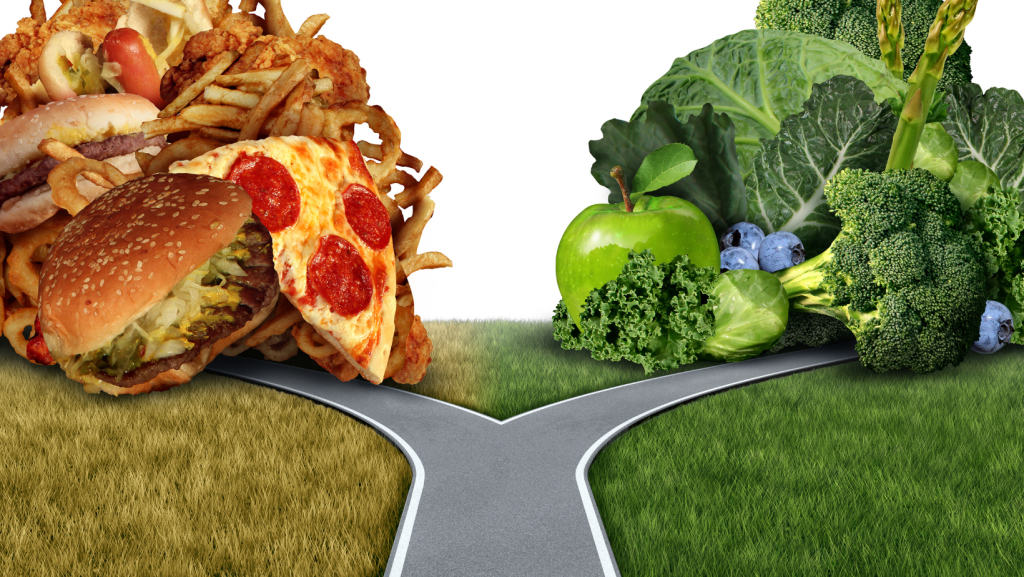
You may start believing:
• “Healthy eating” equals being a good or disciplined person.
• Slipping from strict routines means you failed.
• Hunger means you’re “doing it right.”
• Resting equals laziness.
Shame and pressure replace curiosity and balance.
This pattern isn’t your fault — it’s the culture around you.
4. Restriction Often Begins Disguised as ‘Healthy Habits’
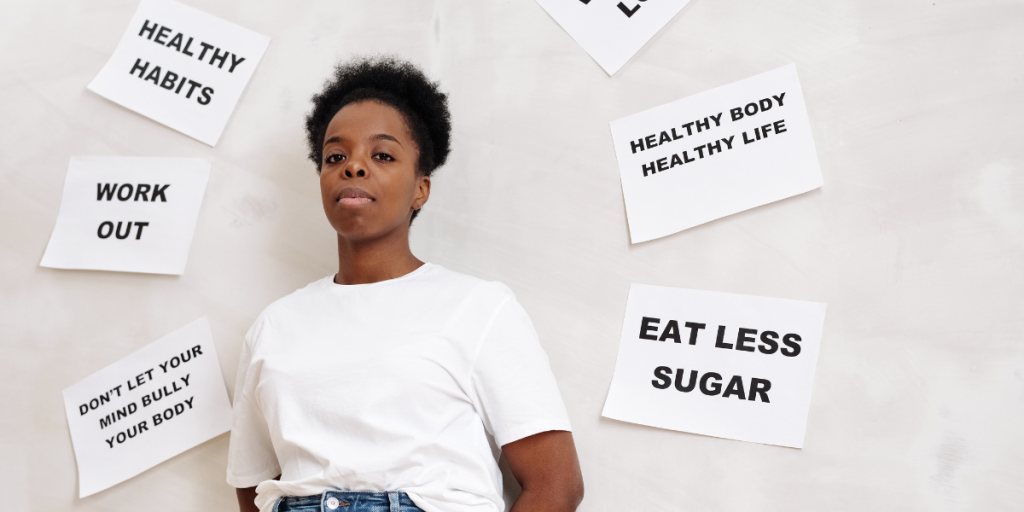
Common entry points:
• intermittent fasting
• clean eating
• cutting out carbs, sugar, or large food groups
• keto or elimination diets
• tracking apps and macros
• intense fitness programs
• cold plunges and “optimization routines”
• longevity protocols
These can look healthy from the outside, but for many people they increase anxiety, fear of food, and loss of flexibility.
5. Warning Signs That Wellness Has Become Too Rigid

You might notice:
• feeling guilty for eating earlier or more than planned
• avoiding social life because of food
• increasing rules around “good” and “bad” foods
• needing to compensate with exercise
• hiding eating patterns
• bingeing after long periods of restriction
• feeling stressed or anxious about eating anything unplanned
• believing your worth depends on your discipline or body shape
These signs indicate stress, not success.
6. Common Experiences for Women in Midlife
Women may be influenced by:
• perimenopause and body changes
• fear of weight gain
• pressure to stay “ageless”
• the belief they must hold everything together for everyone else
• grief or caregiving stress turning into self-sacrifice and food control
Restriction can feel like the only thing still “yours.”
7. Common Experiences for Men in Midlife

Men may be influenced by:
• pressure to stay muscular and lean
• fear of losing vitality
• messages about “optimization” and peak performance
• divorce or loneliness
• fear of becoming like an aging or ill parent
• the belief that self-worth equals physical performance
Eating disorder symptoms can be hidden inside “fitness goals.”
8. You Deserve Flexibility, Nourishment, and Peace with Your Body
There is nothing weak or wrong about being affected by these pressures.
Wellness culture is loud, polished, and persuasive.
What is possible is reclaiming:
• your intuition
• your appetite
• your energy
• your joy in food
• your ability to rest
• your right to a changing, human body

This is what genuine wellbeing looks like.