Most people can name one or more people in their life who look noticeably thinner now than they did six months ago. On social media, before-and-after photos appear with no explanation. The responses are often careful and coded: comments about looking healthy, glowing, or so good lately. There’s a shared understanding of what’s being referenced, and an equally shared agreement not to say it aloud.
People can do whatever they want with their bodies. Medication decisions are personal. Weight loss is not a moral achievement. Fatness is not a moral failure.
Bodies are not evidence of virtue, discipline, or worth.
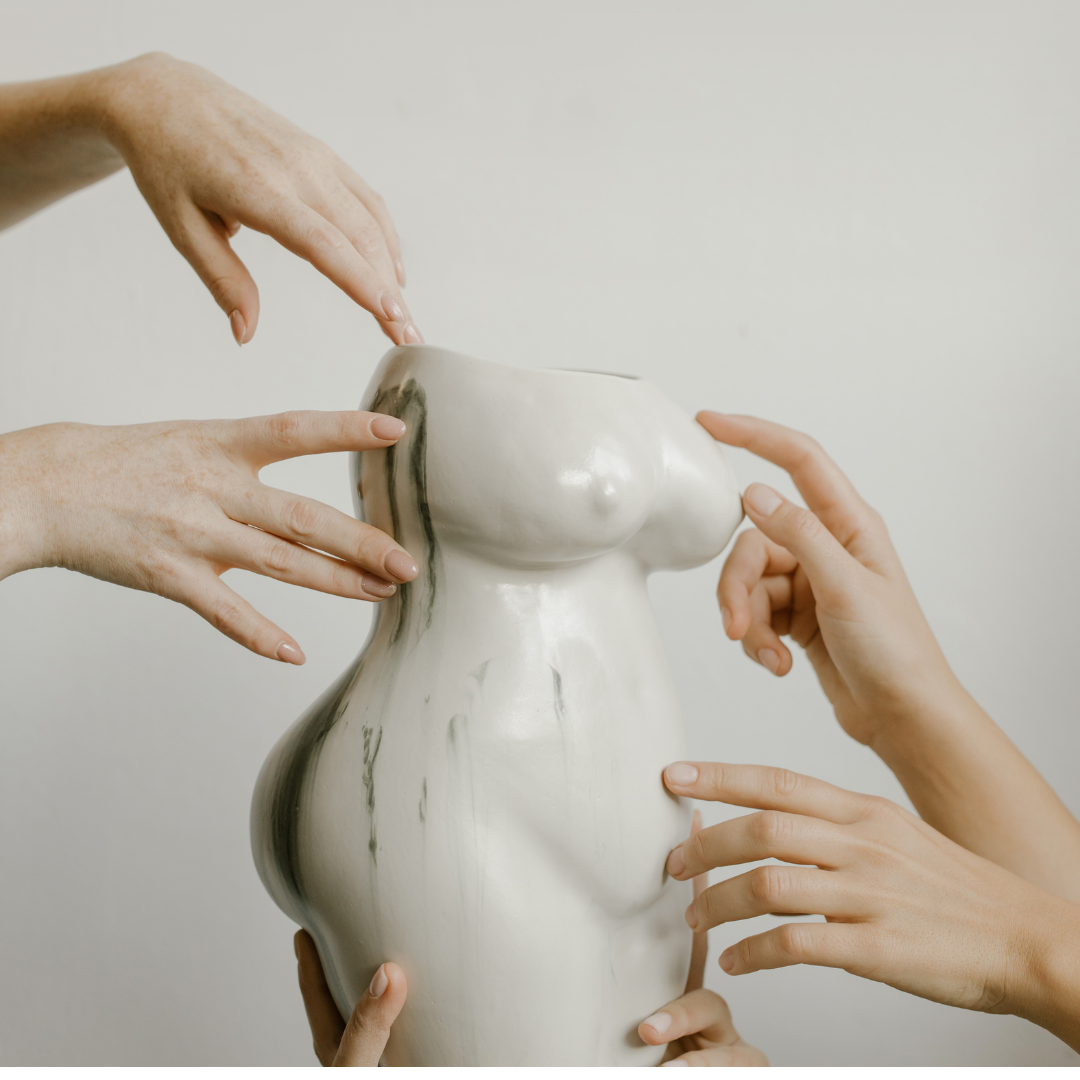
Bodies change over time for countless reasons—medical, psychological, social, and circumstantial. None of those choices require public justification.
What’s notable is less the individual decision-making, and more the collective behavior surrounding it. There’s a quiet rendition of normalcy happening, a mutual pretense that nothing significant is occurring. Questions go unasked, even as curiosity lurks beneath the surface. The social atmosphere feels a bit altered, like a shift in weather everyone agrees not to comment on.
For people who have followed body image trends over the past decade, this moment can feel particularly disorienting. For a time there was an attempt to talk about bodies differently. Fat acceptance and body neutrality did not become universally embraced, but the language began to circulate. The idea that bodies might be neutral rather than evaluative entered the conversation. Some effort was made to stop treating weight as the most salient or interesting thing about a person.
This shift was limited. And fragile. Fat people continued to experience discrimination in healthcare, employment, dating, and public life. Many people never encountered body-neutral language outside of online spaces. Cultural structures did not meaningfully change. Still, the shift mattered. Not because it eliminated harm, but because it interrupted a dominant narrative. Certain comments began to feel outdated. Certain assumptions required explanation rather than being taken for granted.
Language is often where culture experiments first. Even when conditions remain unchanged, changes in language can destabilize long-held beliefs. That fragility does not make the experiment meaningless. It reveals how much cultural tolerance exists for discomfort, and how quickly it recedes when a more efficient solution appears.
That “solution” has arrived in the form of GLP-1 medications. These drugs are clinically significant. They play an important role in the treatment of diabetes and insulin resistance. They reduce cardiovascular risk and have been shown to decrease systemic inflammation, which is increasingly linked to a wide range of chronic health conditions. Their impact on weight is only one part of a broader medical picture.
What remains unresolved is how culture metabolizes this moment. Whether the language of body neutrality disappears quietly, whether it adapts, or whether it resurfaces in new forms is still unknown.
Conclusion
Bodies will continue to change. Medicine will continue to advance. The open question is not whether people will make use of new tools, but whether culture can hold complexity without reverting to familiar hierarchies of worth. The way we talk—or don’t talk—about bodies in this moment offers a revealing glimpse into what society is willing to examine, and what it prefers to smooth over in silence.
If you notice old body image patterns resurfacing, therapy can offer a place to slow down, make sense of what’s being stirred up, and strengthen a relationship with your body that isn’t dictated by cultural trends.