You Don’t Actually Hate Your Body.
After 30 years of working with clients, the effect I see most consistently isn’t the one people expect…
Let’s talk about body image — not the way magazines do, but the real kind.
Your body image isn’t just whether you like what you see in the mirror. It’s the full relationship you have with your body: your thoughts, your feelings, your perception of your size and shape, and the choices you make — or avoid — because of all of the above.
And if that relationship is negative? Everything suffers. More than you might realize.
First, Let’s Name the Elephant in the Room: Diet Culture
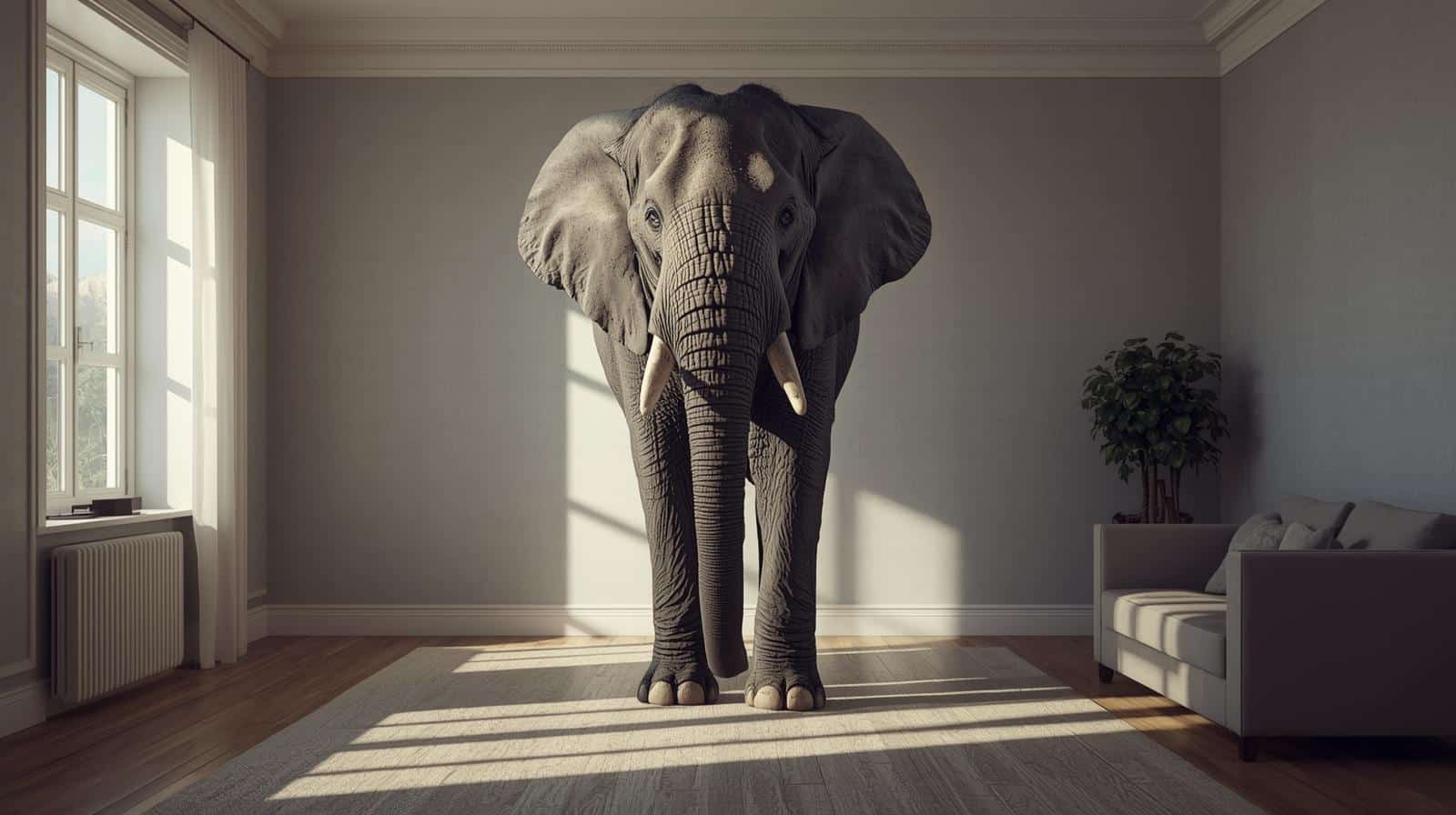
Diet culture is the system of beliefs that tells you your worth is measured in pounds. It’s disguised as “clean eating,” “wellness goals,” or “just being healthy” — but underneath, it’s a machine that profits from your insecurity.
That machine is enormous. The U.S. weight loss market hit $90 billion in 2023, and globally, the diet industry is projected to surpass $300 billion by 2030. All of this depends on one thing: you believing your body isn’t good enough.
Here’s the truth diet culture doesn’t advertise: long-term research consistently shows that most people regain the weight within three to five years. Sustained weight loss without ongoing intervention is the exception, not the norm
When an industry is worth tens of billions of dollars, repeat customers aren’t a bug. They’re the business model.
The industry isn’t failing by accident. It’s designed to keep you coming back.
Negative body image isn’t a personal flaw. It’s a predictable result of living in this culture. And its effects go far deeper than most people know.
The 10 Most Surprising Effects
1. Increased health risks — including avoiding the doctor. Negative body image is linked to eating disorders, GI issues, and nutritional deficiencies. But one of the sneakier risks? People avoid medical appointments because they dread being weighed or judged. That avoidance has real consequences.
2. Eroded self-esteem. Body image and self-esteem are deeply connected. When you’re at war with your body, it’s nearly impossible to feel confident in other areas of your life. The two rise and fall together.
3. Trouble recognizing your own worth. When you’re focused on what you hate about your body, there’s no mental space left to notice what’s great about you. That blind spot affects your relationships, your work, and the things you love to do.
4. Constant comparison and jealousy. Negative body image turns other women into competition. Who’s thinner? Who looks better? This dynamic quietly erodes female friendship and solidarity — and it’s not your fault it happens. It’s a side effect of the culture.
5. Social withdrawal. Getting dressed, going to the beach, attending a party — when you feel bad about your body, these feel threatening. Many people quietly start saying no to things they’d actually enjoy, shrinking their world bit by bit.
6. Engaging in behaviors that harm you. Crash diets, weight-loss products, even smoking to suppress appetite — negative body image makes these feel like reasonable options. They rarely are.
7. Worse mental health. Among teens especially, negative body image is associated with higher rates of depression, anxiety, and suicidality — even when compared to people with other mental health challenges. The cognitive distortions that feed a negative body image (all-or-nothing thinking, for example) are the same ones that worsen depression and anxiety.
8. Diminished sexual satisfaction. This one surprises people, but it shouldn’t. How you feel about your body directly affects desire, arousal, and presence. Negative body image is the second most common barrier to sexual enjoyment (after relationship distress). Self-criticism is hard to quiet in intimate moments — and it shows.
9. Passing it to the next generation. Children absorb everything. When parents comment on their own weight, celebrate weight loss, or scrutinize food, kids learn that bodies are things to be managed and judged. The shame passes down with no one intending it to.
10. Disconnection from your body’s signals (poor interoception). Interoception is your ability to sense what’s happening inside your body — hunger, fullness, emotion, fatigue. Dieting overrides these natural signals with external rules. Over time, people lose touch with what their body is actually telling them. This affects everything from eating to emotional awareness.
So What Now?

Negative body image is common. It might even feel normal. But “normal” doesn’t mean “harmless.”

All the energy that goes into criticizing, managing, and hiding your body could be redirected — toward connection, creativity, pleasure, rest, and growth. Even moving from negative to neutral body image makes a meaningful difference in quality of life.
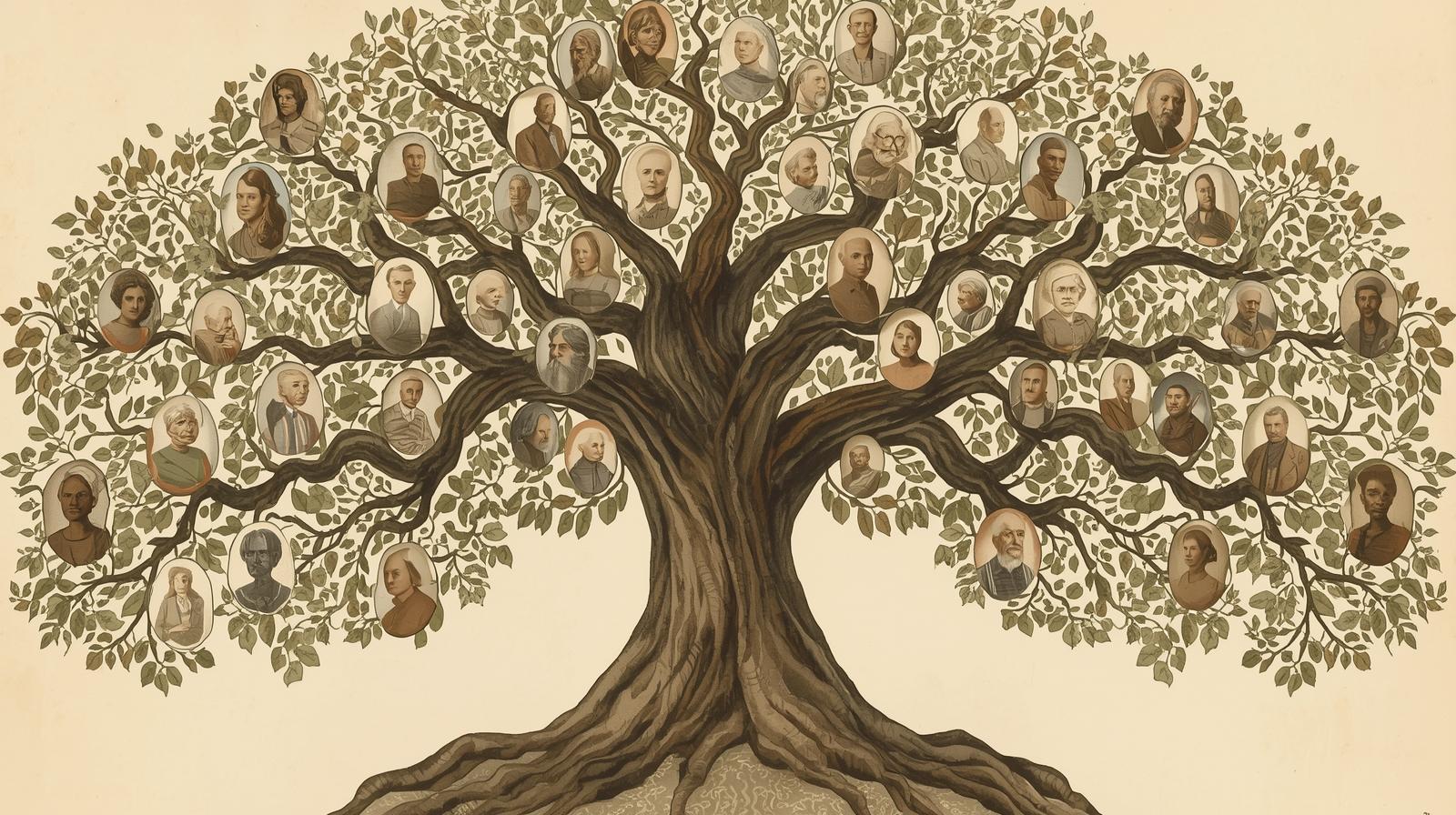
Your body carries your family’s lineage. It woke up this morning and showed up for you. It deserves more than being a problem to solve.
If you’re ready to work on your relationship with your body, I’d love to support you. Contact me here.
Tags: body image, diet culture, eating disorders, self-esteem, mental health, intuitive eating