If you’re a Highly Sensitive Person (HSP) who has ever wandered the aisles of Target unable to choose between “calming eucalyptus” and “gentle sea breeze” laundry detergent, you’ve met decision fatigue,
Decision fatigue affects everyone, but HSPs experience it more intensely because their brains genuinely process more information..

There’s good news here: none of this means you’re weak, dramatic, or “too much.” You’re simply wired differently, and your brain uses energy in unique ways. Understanding this can transform daily life.
Let’s take this apart with compassion and clarity.
This article walks you through why decision fatigue hits HSPs harder, the psychological roots behind it, and practical strategies to protect your energy and reduce overwhelm.
What Is Decision Fatigue?
Decision fatigue is weariness that builds up after making too many choices — even small ones. As your thinking resources drain, everything feels harder.

Common symptoms of decision fatigue include:
-
mental fog or “blanking out”
-
irritability or impatience
-
feeling overwhelmed by minor choices
-
increased procrastination
-
avoiding decisions altogether
-
impulsive choices you later regret
Psychologically speaking, decision fatigue reflects a drop in self-regulation, executive functioning, and cognitive endurance—an experience that can feel even more intense for a highly sensitive person decision fatigue often emerges more quickly due to deeper processing and emotional responsiveness.
Everyone experiences it. But for Highly Sensitive People, the slope from “a lot on my plate” to “I cannot choose socks right now” is much steeper.
Why Highly Sensitive People Get Decision Fatigue Faster
Because HSPs process information more deeply, every decision, even small ones, takes more mental energy. This depth of processing is a strength, and it also means your battery drains more quickly.
Here’s how high sensitivity interacts with decision fatigue:

1. HSPs notice more details in every choice
Where most people see a single decision, an HSP sees layers:
-
sensory impact
-
emotional impact
-
social dynamics
-
future consequences
-
internal alignment
-
environmental context
This “high-resolution thinking” enriches life and is energy-intensive. As in,
-
Self-regulation drops. Choices feel harder. Patience shrinks. Impulsivity increases.
-
Emotional tolerance dips. You may feel overwhelmed, irritable, weepy, or shut down.
-
Avoidance rises. Your brain whispers: Let’s just not decide anything at all.
2. Emotional processing is part of the decision-making process
For HSPs, emotional data is real data.They process information more deeply — not more dramatically, but more thoroughly — a natural part of HSP decision making. This heightened depth of processing is a beautiful strength and depletes mental energy.

Choosing whether to attend an event might involve:
-
your feelings
-
others’ feelings
-
your energy level
-
past experiences
-
anticipated overstimulation
- the weather forecast
Your brain isn’t overreacting — it’s integrating more information.

Another example is deciding which outfit to wear An HSP’s brain considers:
-
Texture
-
Color
-
Mood
-
Body feelings
-
Weather
-
Social implications
-
Memories
-
Future comfort
-
If your mother will comment on it
-
The existential meaning of sleeves
THe HSP mind simply works on more layers.
Emotional information counts as real information.
So HSPs don’t just logically evaluate choices — they feel into them.
Should I say yes to this invitation? Your brain checks:
-
What you feel
-
What they feel
-
What Future You might feel
-
Whether the energy will be too much
-
Whether you’ll need recovery time afterward
Emotionally scanning each choice is adaptive — but can also be draining.
3. Sensory sensitivity increases cognitive load.

Lighting, noise, crowds, textures, and temperature all feed into your decision-making system. If you’re already overstimulated, deciding anything becomes exponentially harder.
An HSP under sensory strain needs fewer decisions, not more.
4. You anticipate consequences more accurately.
Your intuition is sharp. You notice nuances. You foresee how choices ripple through your schedule, your energy, and your relationships. For those prone to HSP overwhelm, this is a strength—but it also means even simple decisions can feel weighted. This is a strength, and it means even simple decisions can feel weighted.
5. You’re often more conscientious.
You want to do things well.
You want to choose thoughtfully.
You care about your impact.
Caring deeply increases the emotional stake of choices.
6. Sensory overstimulation makes decisions harder
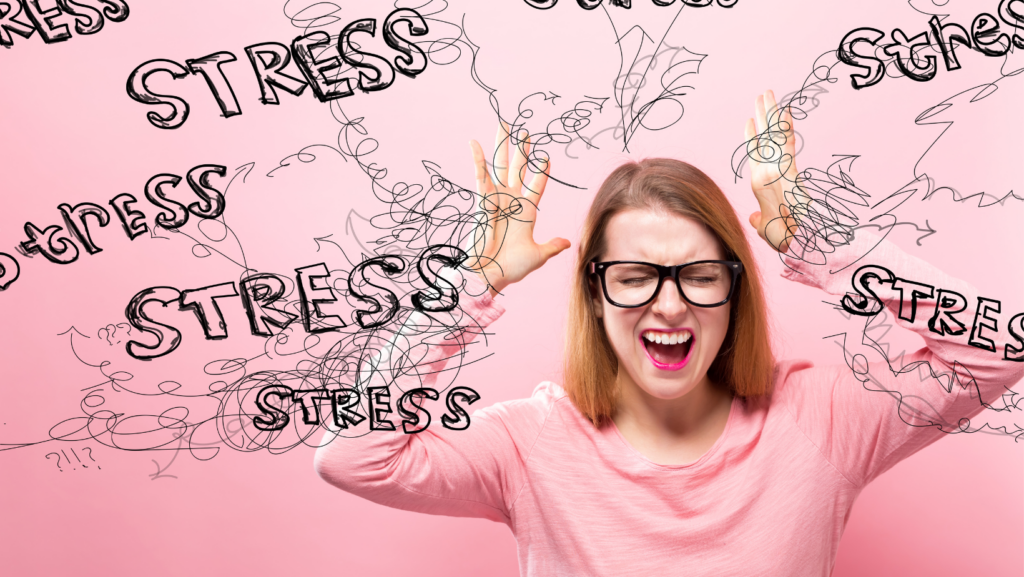
If you’re already overwhelmed by noise, crowds, lights, or temperature, your cognitive bandwidth shrinks.
For HSPs, sensory overload directly fuels decision fatigue.
7. You naturally consider consequences more deeply
HSPs are often conscientious and intuitive.
This means you foresee outcomes more vividly — and feel responsible for choosing the “right” path.
That pressure stacks up quickly.
8. Daily choices carry more weight for a sensitive nervous system
From choosing clothes to managing your schedule, each decision interacts with your energy levels. This makes everyday choices more emotionally meaningful for HSPs.
Signs of Decision Fatigue in Highly Sensitive People

Many HSPs describe decision fatigue as:
-
feeling frozen or stuck
-
mentally checking out
-
overthinking but unable to act
-
irritability at small requests
-
wanting someone else to decide
-
wanting to cancel plans
-
“choice paralysis”
These are not failures. Rather, they’re signals your sensitive nervous system needs rest, boundaries, and simplification.
How to Reduce Decision Fatigue as an HSP
HSPs thrive when choices are simplified, aligned with values, and made from a regulated state. Here are practical, psychology-informed strategies:
1. Limit the number of daily decisions
Reducing choice quantity preserves your energy. Not everything warrants your full horsepower!
Try:
-
2–3 go-to meals
-
a capsule wardrobe
-
automated bills
-
pre-set morning or evening routines
-
default responses for email or texting
Less decision-making = less internal friction.
Defaults are not laziness. They are self-respect.
2. Decide at your “best brain” time.
HSPs often have peak clarity in the morning or after quiet time.
Schedule demanding decisions for your mentally “brightest” window.
3. Use the one-inch frame: shrink the decision.

Instead of:
“What’s the absolute best choice for my long-term future?”
Try:
“What’s the next right step for right now?”
Shrinking the frame reduces cognitive pressure.
4. Limit sensory overload first.

Before making decisions, do something that calms your nervous system:
-
Step outside
-
Dim the lights
-
Put on soft music
-
Drink water
-
Do three deep breaths
Your body must be settled before your mind can be decisive.
5. Pre-decide your values.
HSPs thrive when choices align with their core values.
If you know in advance that you value rest, connection, authenticity, or simplicity, decision-making becomes less about options and more about alignment.
6. Outsource when you can.

Let someone else pick the restaurant.
Ask a friend for the top two options.
Let the barista choose your drink.
Outsourcing isn’t helplessness — it’s conservation. Delegating is not weakness — it’s efficient self-preservation.
7. Let “good enough” be truly enough.
Perfectionism is jet fuel for decision fatigue.
Practice choosing the option that is “reasonable and kind,” not “flawlessly correct.”
8. Know your signs of exhaustion and pause.

When you sense yourself fraying, step away.
Small breaks prevent full shutdowns.
9. Make decisions during your “best brain” hours
Most HSPs think clearest:
-
in the morning
-
after quiet or alone time
-
after sensory downtime
Schedule big choices during those windows.
10. Reduce sensory input before deciding

Before making a decision, calm your body:
-
dim lights
-
take a few breaths
-
step outside
-
drink water
-
turn down noise
A regulated nervous system improves decision clarity instantly.
11. Shrink the decision to reduce overwhelm
Instead of:
“What’s the perfect choice for my long-term future?”
Try:
“What’s the next right step for right now?”
Small frames reduce cognitive load.
12. Pre-decide your values

Values act as pre-made decision templates.
If your values are rest, authenticity, connection, and simplicity, the question becomes:
Which option aligns best with my values, not which is perfect?
13. Release perfectionism
Perfectionism fuels decision fatigue.
Aim for:
-
good enough
-
kind enough
-
aligned enough
Choosing “good enough” saves enormous mental energy.
14. Know your signals and pause early

As soon as you feel overloaded, pause instead of pushing through.
Even a 30-second break can reset your nervous system.
The Reframe: High Sensitivity Isn’t the Problem
Your sensitivity is why you notice beauty, depth, emotion, and nuance.
It’s why your decisions are thoughtful.
It’s why people trust you.
It’s why your intuition is stunningly accurate.
Decision fatigue doesn’t mean you’re “too much” — it means your brain processes life richly.

You don’t need to become less sensitive.
You just need fewer daily choices, clearer boundaries, and a calmer decision-making environment.
When you honor the way your nervous system works, decision-making becomes lighter, clearer, and far less exhausting.
A Gentle Closing Thought

If daily choices drain you, you’re not broken. You’re sensitive, and your energy deserves protection.
When you simplify decisions, regulate your nervous system, and treat yourself with compassion, your sensitivity becomes a strength.
If you’re exhausted by daily choices, it’s not a moral weakness — it’s the architecture of a perceptive nervous system, and understanding overwhelm recovery for HSPs can help you navigate it more gently.
Protect it.
Guide it.
Design your life with it in mind.
Your sensitivity was never meant to survive a world of constant choices.
But it can thrive in a world shaped with intention.
And you get to build that world, one small decision at a time.