Body Image in a Changing World: What 30 Years of Research Reveals
Looking Back: What We Knew Then
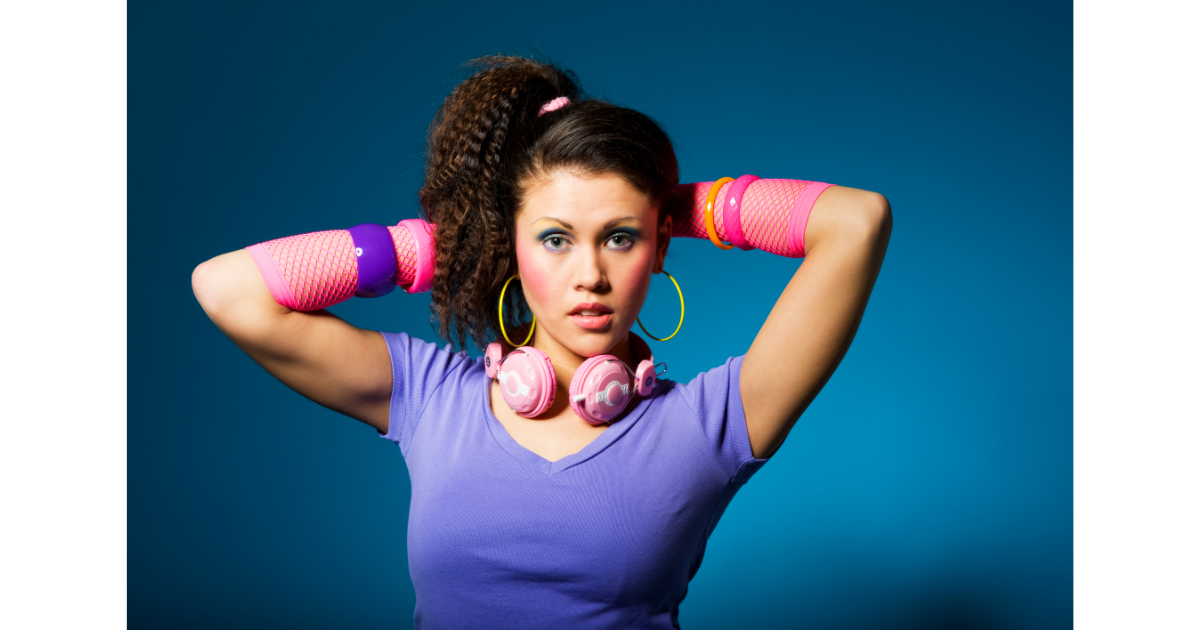
Body image has changed dramatically over the last three decades—but not always in the ways you might expect. When I began studying body image in the early 1990s, the main questions centered on why so many people felt disconnected from their bodies and how cultural messages shaped our self-perception. Today, we’re navigating a new landscape: algorithm-driven social media, AI-edited images, the thin-ideal’s rebrand as “wellness,” and the endless pressure of Diet Culture.
Fast-Forward: What’s Different Now
Yet here’s what surprises most people: despite all the technological noise, much of what we knew then still matters now. The science has evolved, but the human experience of body distress remains strikingly familiar. And while research can’t hand you instant self-love, it can offer something more realistic—and far more powerful: a roadmap toward body peace, self-compassion, and steady respect for your body, even on the harder days.
1. Social Media: A Double-Edged Mirror
What the Research Says
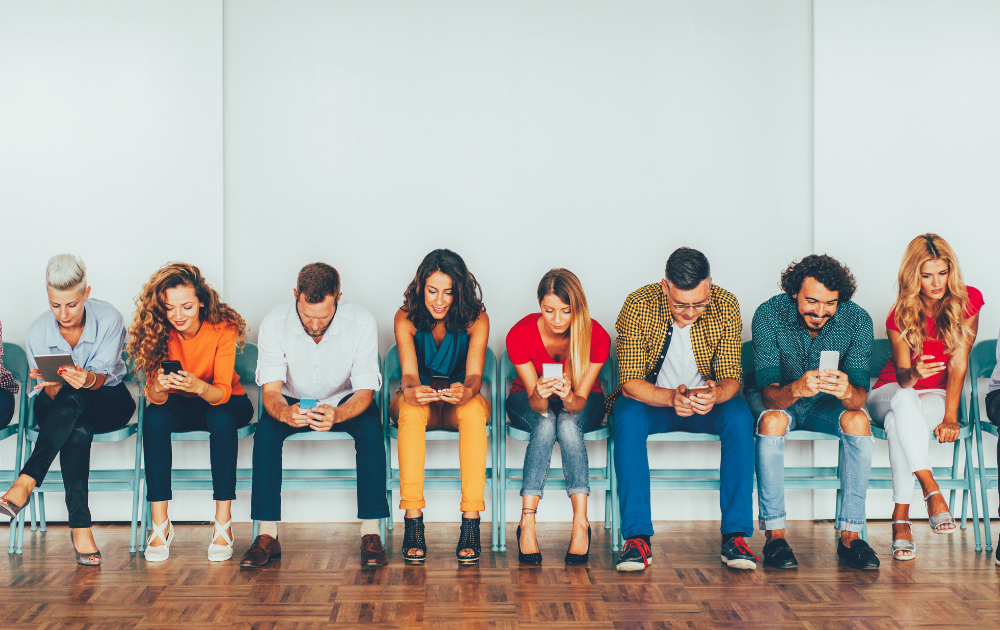
Recent meta-analytic work underscores a strong link between social comparison on social media and body image concerns, as well as eating disorder symptoms. Specifically, a synthesis of 83 studies (with over 55,000 participants) found a medium correlation (r = .454) between online comparison and body image distress, and a smaller but significant correlation with disordered eating behaviors.
Another systematic review shows that self-objectification—when we view our bodies primarily through an aesthetic, “how do I look?” lens—mediates much of the negative impact of social media. Importantly, that same review highlights self-compassion as a protective factor.
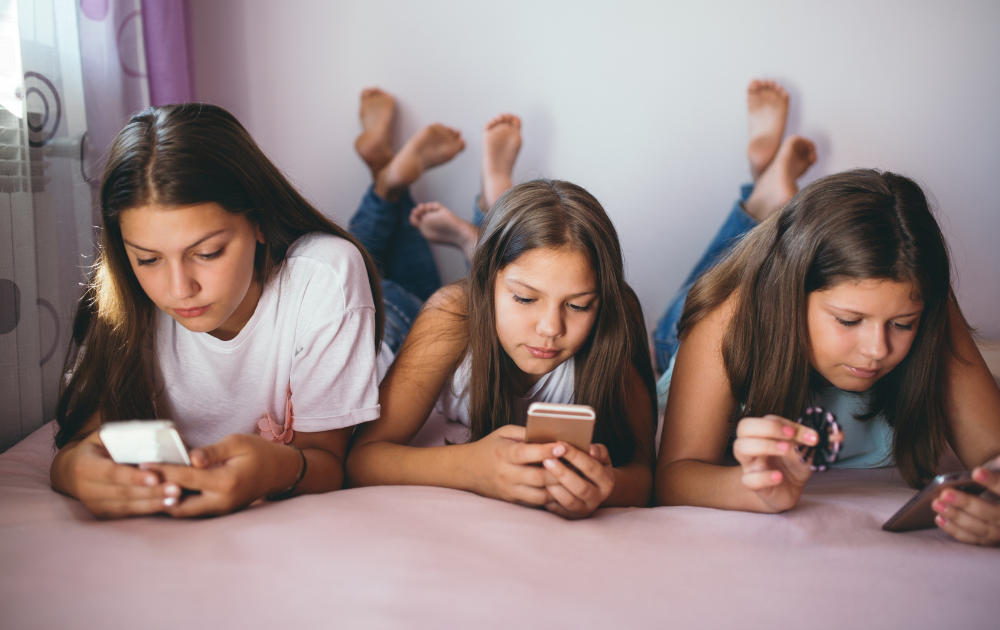
And it’s not just Instagram or Facebook. TikTok is implicated too: in one recent study, less than 10 minutes of watching TikToks led to immediate reductions in body satisfaction and increases in internalization of the thin ideal.
Specific Risks Emerging in the Research
-
Appearance-focused platforms are linked with symptoms of orthorexia nervosa (obsession with ‘clean’ eating) and muscle dysmorphia (fixation on muscularity).
-
Food-focused social media (e.g., blogs, “What I Eat in a Day”) shows some mixed effects but overall suggests increased risk for negative body image and disordered eating patterns.
Why It Feels So Real to You
It’s not just what you see.
It’s how it engages your inner story.
When you scroll, you may wonder and compare:
“Do I look like that?” “Should I eat like that?” “Why do they seem so confident?”
Over time, these small thoughts add up.
Case Example: Lydia
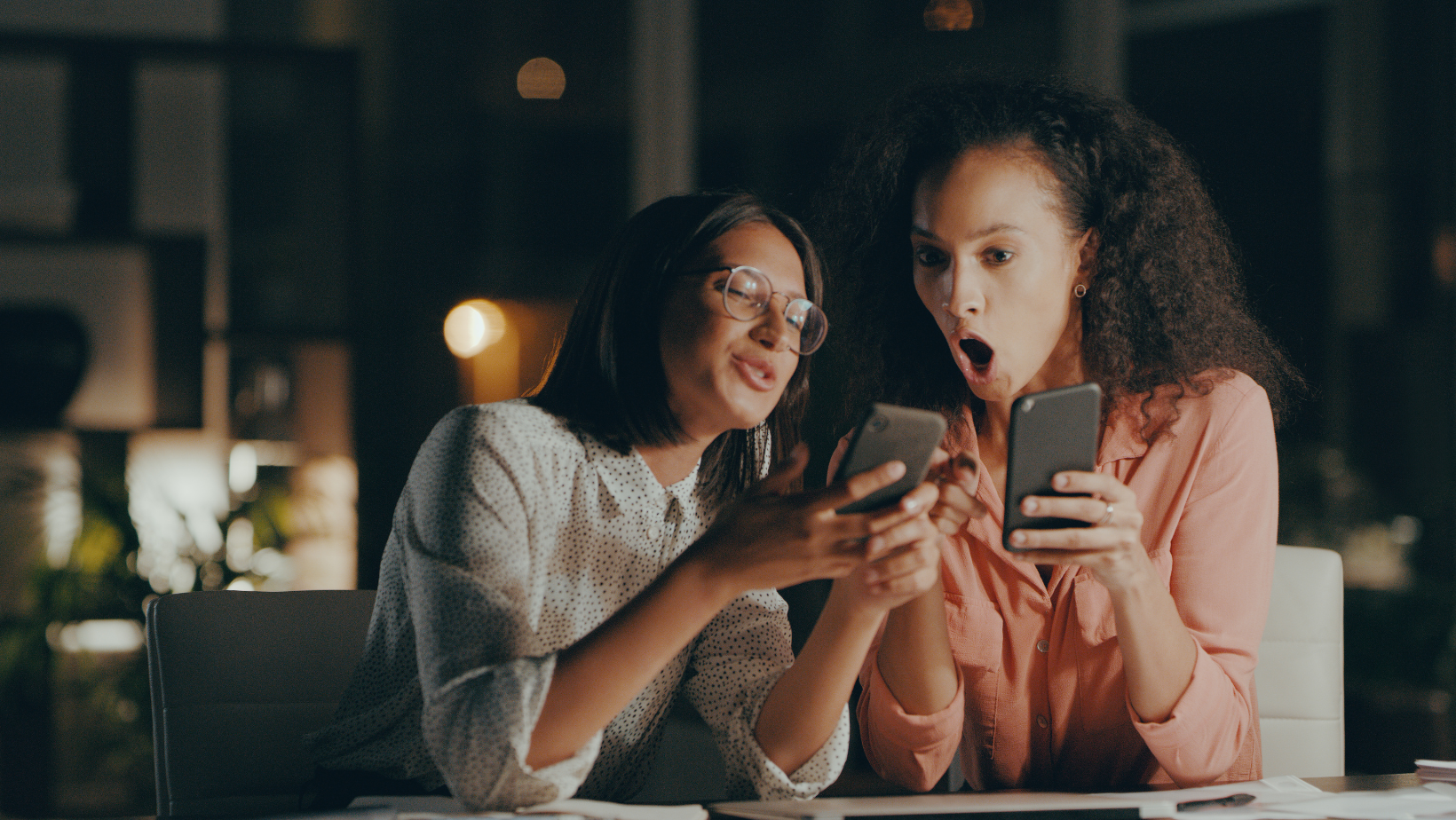
Lydia, a 24-year-old grad student, often felt worse after scrolling through her “wellness” feed. She told herself she was just “motivated by health,” but she began skipping meals and feeling guilty for eating “non-ok” foods. When she limited appearance-focused content and practiced self-compassion (through journaling and therapy), her relationship with food eased — even before her body changed.
How to Use This Insight
-
Curate consciously: Audit your feed. Which accounts center you? Which trigger self-judgment?
-
Practice self-compassion: When comparison hits, pause. Ask: “What would I tell a friend who felt this way?”
-
Reduce exposure: Try time limits or scroll-free zones (especially before bed).
2. Redefining Positive Body Image: From “Love” to “Respect”

The Evolution of Body Positivity
The body positivity movement has deep roots in fat-rights activism and has challenged harmful norms for decades. But for many people, “be positive about your body!” has turned into pressure.
That’s where newer concepts come in:
Body Neutrality
You don’t have to love your appearance every day. Neutrality makes space for fluctuations.
Body Respect
Your body deserves care—movement, nourishment, rest—no matter how it looks.
Body Peace
A deeper state of ease and self-connection, even when you don’t feel positive.
Research & Real-World Application
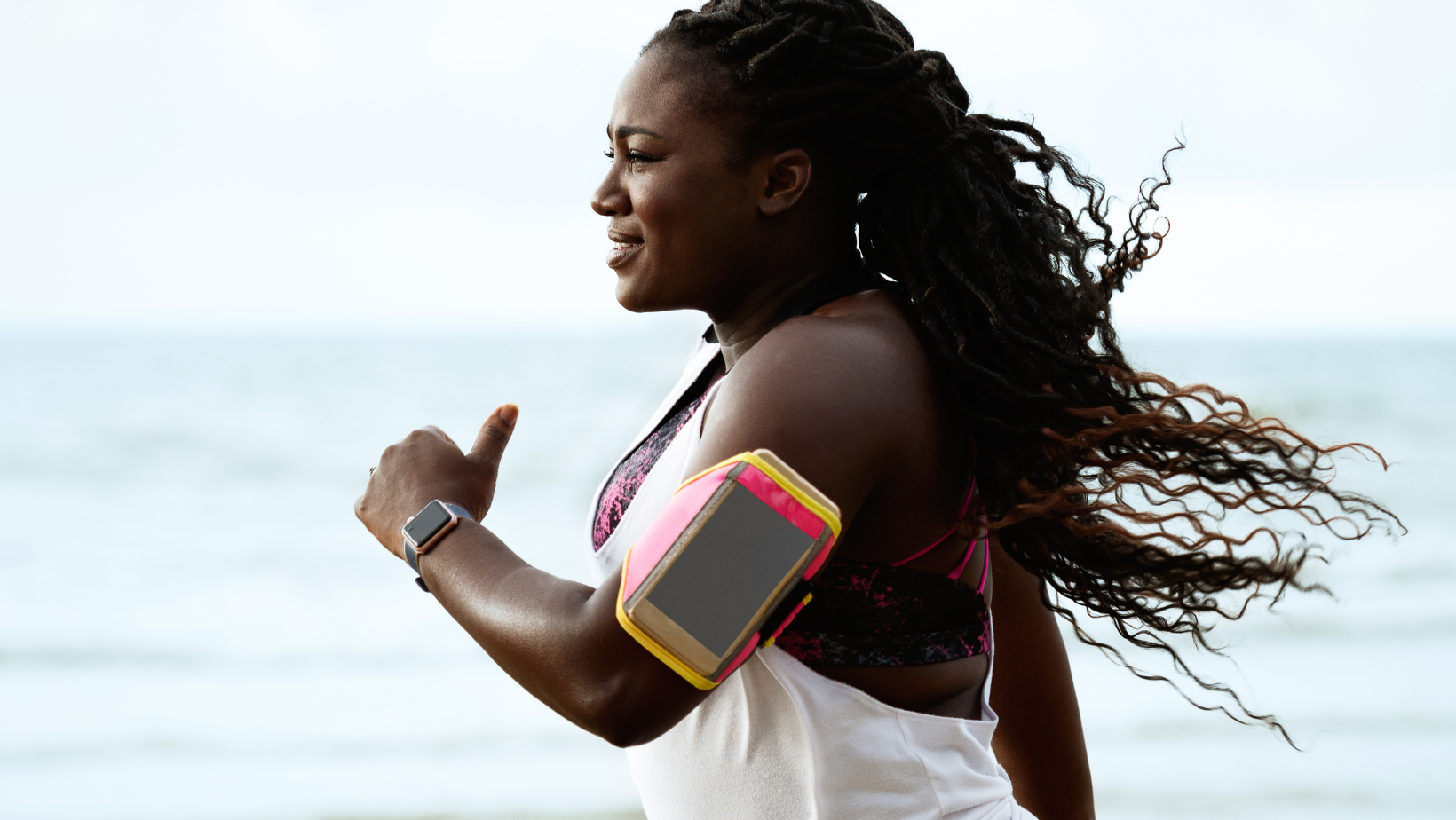
Jordan (nonbinary, mid-30s, name changed) shifted from “love every curve” to “my body lets me move, breathe, dance, rest.” That shift—from aesthetics to functionality—reoriented their entire relationship with themselves.
Today, more therapeutic interventions incorporate these frameworks because they work in daily life.
3. Bigger Picture Trends: Prevalence, Culture & Risk
What the Numbers Say

-
Female medical students in a 2023 study showed strong correlations between body image concerns, disordered eating, lower self-esteem, and decreased quality of life.
-
The links between social media exposure, internalizing appearance ideals, and body dissatisfaction are consistent. A review covering 50 studies in 17 countries identified social comparison and self-objectification as key mechanisms.
-
Gender patterns differ:
-
Women show more distress in thinness-oriented spaces.
-
Men and masculine-identified people face pressures around muscularity and leanness.
-
Why Trends Matter

Body image distress is not a personal failure.
It’s a social and public health issue, shaped by cultural expectations and by systems that reward certain bodies. And by online and offlince social environments that create disconnection.
Case Example: Josh
Josh, a 29-year-old software engineer, assumed body image distress was “not for him.” He exercised regularly, ate “clean,” and felt healthy — and yet, he found himself constantly worried about being “too skinny” or not muscular enough. In therapy, he learned these worries weren’t just about his body. They were tied to norms about masculinity, success, and how men “should” look. Recognizing that released a lot of shame, and helped him improve his self-care.
4. Bringing It All Together
What Research Can (and Can’t) Do
Research can’t guarantee you’ll love every part of your body… someday.
But it can help you build:
-
peace
-
resilience
-
self-compassion
-
a steadier relationship with your body
Key Action Steps
1. Reduce Harmful Exposure
-
Curate your feeds intentionally
-
Take regular breaks from appearance-heavy content
-
Follow creators who focus on movement, creativity, rest, values
2. Practice Protective Self-Talk
-
Use self-compassion
-
Develop a mantra that honors your journey
3. Build a Values-Based Relationship With Your Body
- Ask: “What do I want from my body beyond appearance?”
- Let body respect and body peace be your guides.
4. Seek Community and Support
-
Work with a body-image-informed therapist
-
Join supportive online or in-person communities
-
Gently educate others about Diet Culture when you feel safe
5. Grounding Affirmation
“My body is not a problem to fix. It is a space I share with myself — and I deserve peace, care, and kindness here.”
6. Final Thoughts, For Now
As a psychologist who has watched this field evolve for decades, I want you to know: you’re not broken. The dissatisfaction, comparison, and shame you feel are symptoms of a culture that idolizes perfection and disconnects you from your own experience.
Research doesn’t judge you.
It simply demonstrates the systems you’re navigating.
With intention, we can build paths not to perfection, but to ease, respect, and home.
Join me. Please.