Diet Culture Disguised As Common Sense
Picture it. Santa is at the mall, on a chair. The red and green Christmas lights are shining brightly. The rehearsed wish for a LEGO set is on the minds of the kids in line.. And then, with the honesty a child delivers, this line is whispered:

“You shouldn’t eat cookies anymore. You’re already too fat.”
The adults freeze. Someone laughs nervously. A parent says, “kids say the oddest things,” which is code for ‘let’s pretend this didn’t happen”. Santa blinks, and his beard twitches.
The comment hangs there like an out-of-place ornament.
And the uncomfortable truth? That comment did not come out of nowhere.
How Children Learn to Police Bodies
Children are not born fearing fat bodies. They aren’t born believing that eating certain foods means you’re unworthy. They/We are taught. Slowly and casually. By overhearing conversations, praise wrapped in “health,” cartoons that connect the bad guy with size, and wellness culture that’s part of everything. Kind of like glitter you can never really vacuum up.
Body size beliefs are learned early, absorbed through culture, language, and well-intentioned messages about “health.”
So what does Santa do in that moment?
Why Santa Matters Symbolically
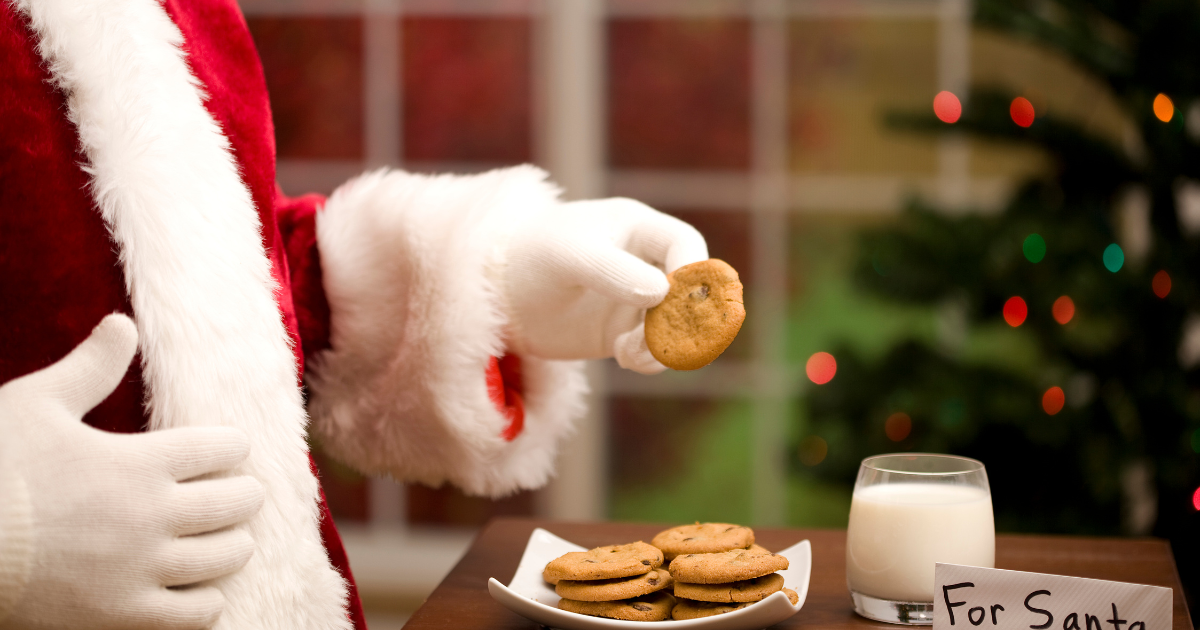
Well, of all people, Santa is a walking contradiction to diet culture. He’s round. And jolly. He eats publicly and enjoys food without shame. His body has never been framed as a problem to fix. Until now.
Santa could laugh it off. He could deflect. Or he could make a joke about needing fuel for a long night of gift delivery. Basically, he could keep it light. Keep it moving. Don’t make anyone uncomfortable.
But let’s imagine Santa pauses.
Not in a hurt way. But in a calm way.
He smiles and says, “That’s an interesting thing to say. Did someone tell you that?”
Because Santa knows that shame thrives in silence. Diet culture survives by pretending it’s just common sense.
Maybe Santa explains that bodies come in many shapes. That cookies are food, not morality. That his body is a perfectly capable one that carries magic, generosity, and joy. And has for centuries.

Maybe Santa says, “My body helps me do my job. And my job is spreading joy. Cookies help with that.”
This is not about correcting a child. It’s about changing a narrative.
Because when kids learn that fatness is something to warn against, they also learn that love, celebration, and belonging have conditions.
They learn that some bodies must apologize for taking up space. They learn that pleasure needs permission.
Diet culture prefers to teach quietly, before anyone notices.

Santa, however, is not subtle.
Santa Claus understands abundance. He does not believe that eating less makes you better at giving more. He’s proof, year after year, that fullness and generosity are not opposites.
The harm here is not that a child was “rude.” The harm is that a child already knows to police bodies. They already associate food with danger and size with judgment. They already feel free to comment on someone else’s body in the name of “health.”
That is diet culture working overtime.
What Modeling Can Do Instead
If Santa were truly listening, he might feel some sadness. Not for himself, but for the child. For the moments when that same voice turns inward. For the cookies declined at birthday parties. Or for the belief that their own body needs managing instead of trusting.
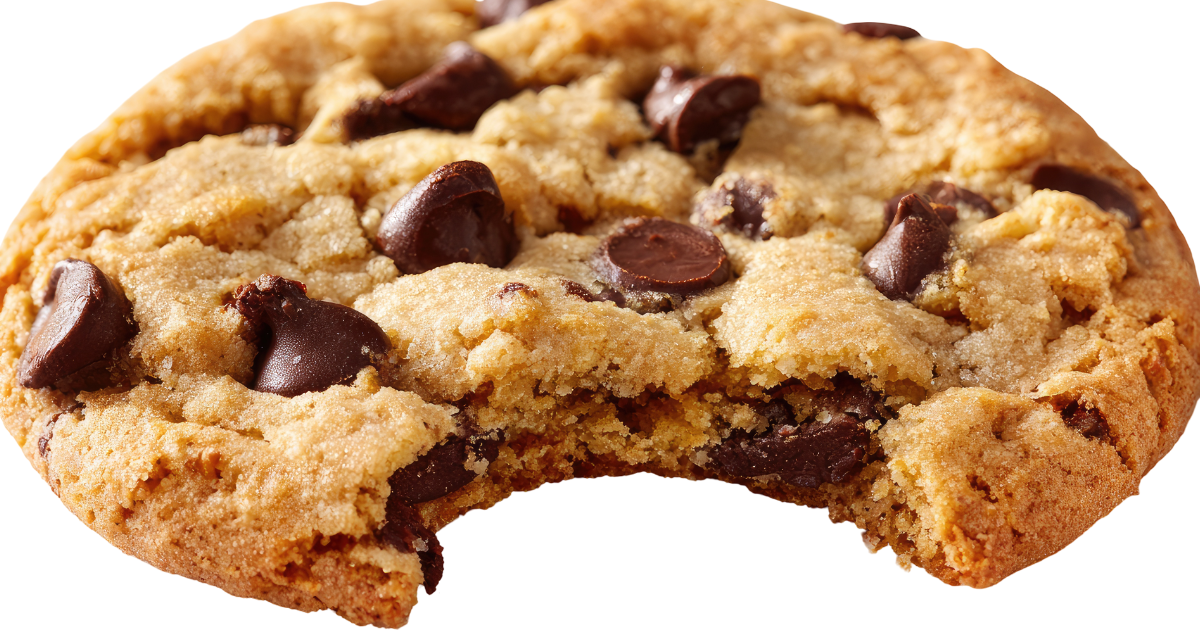
So Santa eats the cookie.
Not dramatically. Not rebelliously. Calmly. Joyfully.
Because sometimes the most radical response is doing the thing. Showing a child that magic does not disappear when someone eats a cookie and enjoys themselves.
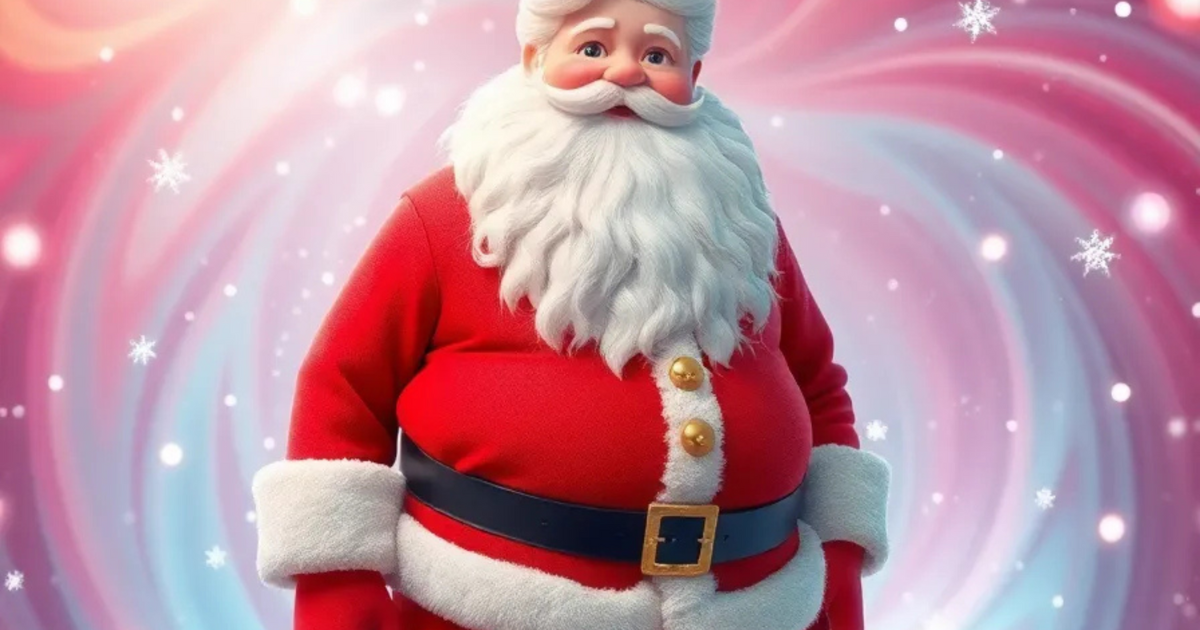
Santa knows this. He always has.
The real question is whether the rest of us are willing to learn it too.
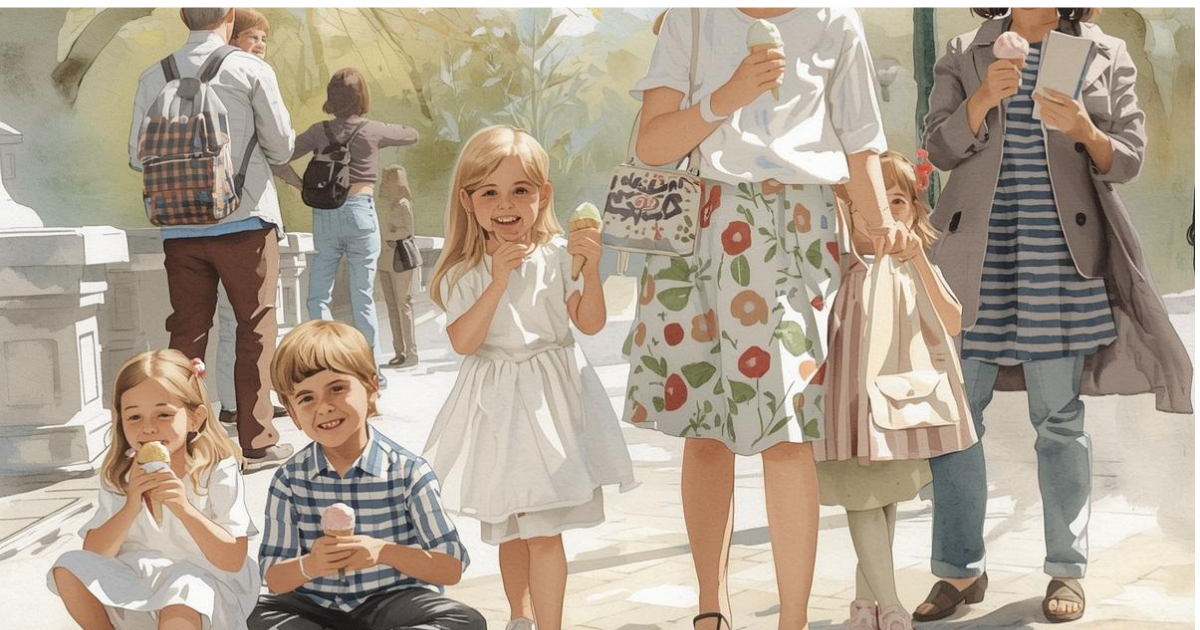
Children are constantly watching how adults talk about food and bodies. When we respond calmly and without shame, we teach them that bodies don’t need fixing and that eating isn’t something to earn. You don’t need the perfect words. Often, simply enjoying food, speaking neutrally about bodies, and letting joy exist without commentary is enough to plant a different story.