When most people think about eating disorders, they picture a specific demographic: young, white, affluent women.
This narrow perception is inaccurate and dangerous.
The reality? Eating disorders affect people across every age, gender, race, socioeconomic status, and body size. And the consequences of our collective blind spots are measured in lives lost and suffering prolonged.
Eating disorders have the second-highest mortality rate of any mental illness, surpassed only by opioid use disorder. Yet they remain chronically underfunded, under-researched, and misunderstood.
Here’s why everyone should be paying attention.

The scope is larger than you think
Approximately 9% of the global population will experience an eating disorder in their lifetime. In the United States alone, an estimated 28.8 million Americans will have an eating disorder at some point in their lives. These aren’t rare conditions affecting a fringe population. They’re common, serious mental illnesses that touch nearly every community.
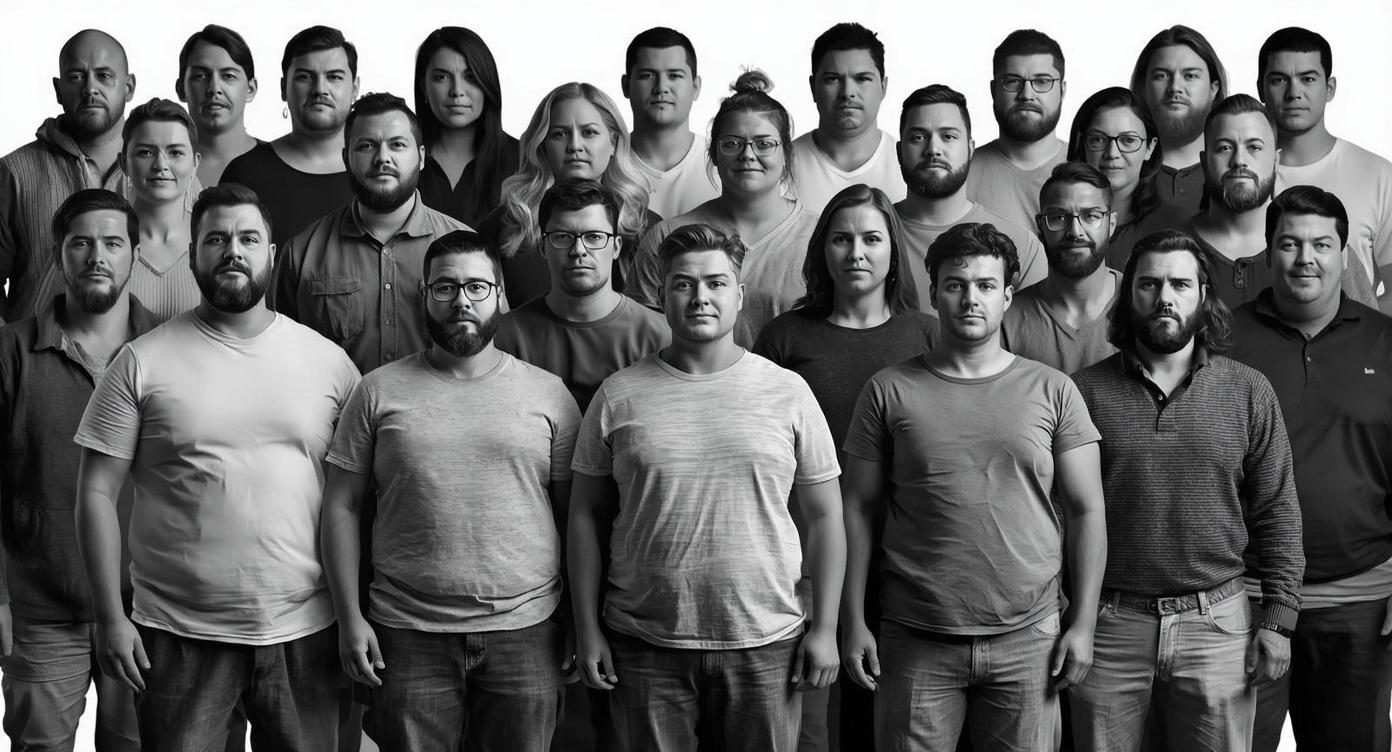
The stereotype of the teenage girl with anorexia masks the reality that eating disorders affect men, older adults, people in larger bodies, and people from every racial and ethnic background. Men represent roughly 25% of those with anorexia or bulimia, and up to 40% of those with binge eating disorder. Eating disorders in midlife and beyond are increasingly recognized, often triggered by life transitions, grief, or illness.
The medical consequences are severe and wide-reaching
Eating disorders wreak havoc on nearly every organ system. They can cause cardiac complications including bradycardia and arrhythmias, bone density loss leading to osteoporosis in young people, kidney failure, gastrointestinal damage, cognitive impairment, and infertility. The medical costs are staggering. Remember, these are preventable health crises that devastate families and cut lives short.
Even when they don’t result in death, eating disorders steal years from people’s lives. Years that might otherwise be spent building careers, nurturing relationships, and pursuing dreams. The average duration of illness before treatment begins is shockingly long, partly because many people and their loved ones don’t recognize the warning signs.

Our healthcare system is failing patients
Despite their prevalence and severity, eating disorders face significant barriers to treatment. Insurance companies routinely deny coverage or authorize inadequate levels of care. Many clinicians receive minimal training in identifying and treating eating disorders. Treatment facilities are scarce, and those that exist are often prohibitively expensive.
The result? People suffer in silence, their conditions worsen, and by the time they access appropriate care (if they ever do) they face a longer, more difficult recovery. This healthcare gap affects your colleagues, your neighbors, your family members, and quite possibly someone reading this article.
Cultural factors fuel the fire

We live in a culture saturated with diet talk, weight stigma, and contradictory messages about food and bodies. Social media intensifies these pressures and creates new pathways for disordered eating to flourish. The wellness industry often promotes behaviors that would be recognized as disordered eating in a clinical context, rebranding restriction as “clean eating” and obsessive exercise as “dedication.”
These cultural forces don’t just affect people with diagnosed eating disorders. They contribute to widespread body dissatisfaction and disordered eating behaviors that diminish quality of life for millions more. When we dismiss concerns about eating disorders, we ignore the water we’re all swimming in. Even you.
What can be done

Addressing eating disorders requires action at many levels. As individuals, we can educate ourselves about warning signs, challenge diet culture in our own lives and communities, and practice compassionate communication about food and bodies. In professional settings, we can advocate for better insurance coverage, support colleagues in recovery, and create workplace cultures that don’t glamorize overwork and under-eating.
Healthcare providers need better training, and our medical system needs to treat eating disorders with the same urgency and seriousness as other life-threatening conditions. Researchers need funding to better understand these complex illnesses and develop more effective treatments.
And we all need to expand our mental picture of what someone with an eating disorder looks like, so that people suffering in plain sight can be seen and supported.
Eating disorders thrive in silence, shame, and isolation. The more we talk about them openly, the more we challenge the systems and beliefs that perpetuate them. The more we insist on adequate care for those affected, the more lives we can save.

This isn’t someone else’s problem.
It’s a public health crisis that deserves way more attention than it receives.